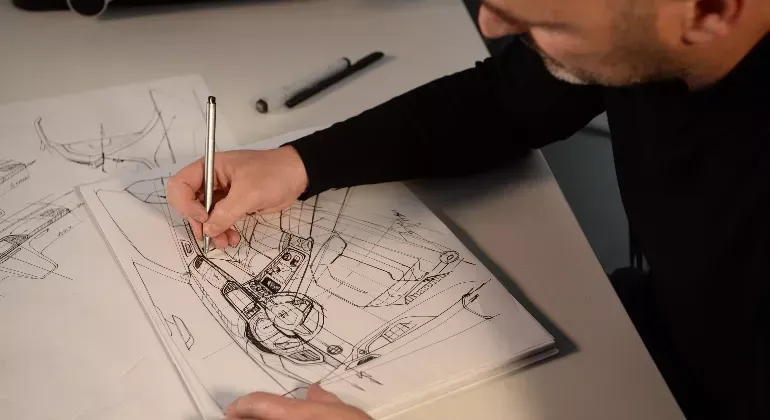
Although it may sometimes seem easy, designing a new model is a task that requires a huge effort from a large team of professionals.
From the moment pencil is put to paper until the car goes on sale, a series of steps take place, which SEAT reveals to us using its SUV Ateca as an example.
These are the eight essential steps in every design process according to SEAT:
Briefing
The main guidelines of the model are written: the roadmap that will define the car’s DNA.
The entire design process will conform to these guidelines.
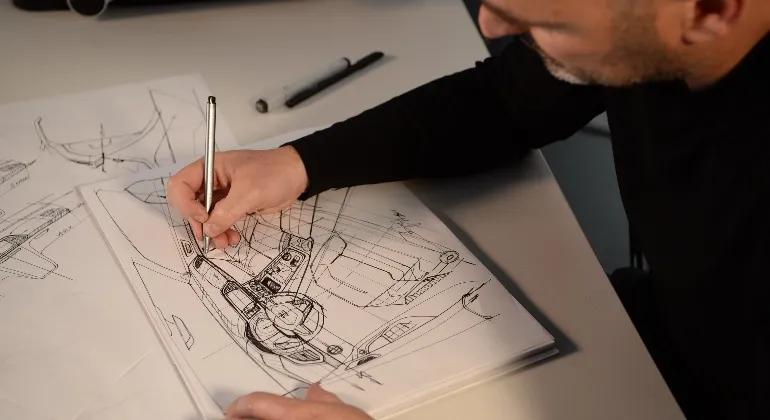 Briefing in car design
Sketches
Designers put their ideas down by hand: “what we would like to make.”
Over four years, more than 1,000 sketches can be produced.
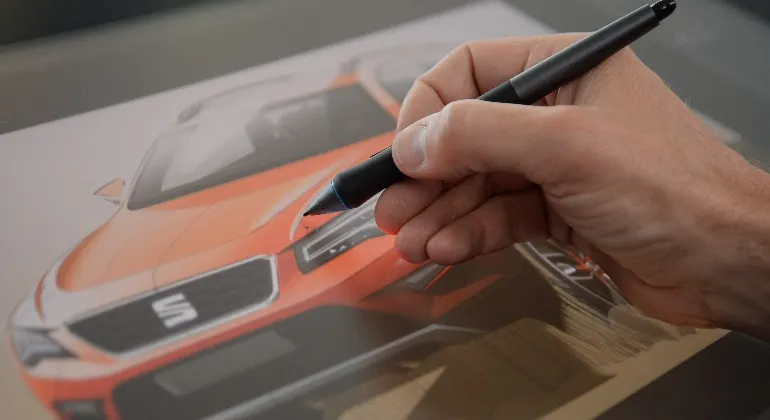 Design sketches
CAD Generation
The vehicle is virtually recreated using CAD (Computer-Aided Design) software, which allows for 2D and 3D work and technical monitoring.
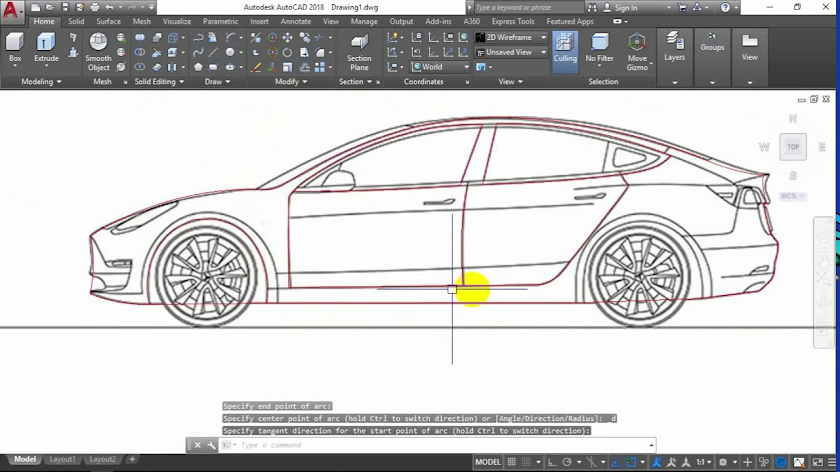 CAD design
Clay Model
A full-scale clay model that can weigh more than 4 tons. It is shaped and adjusted manually during development.
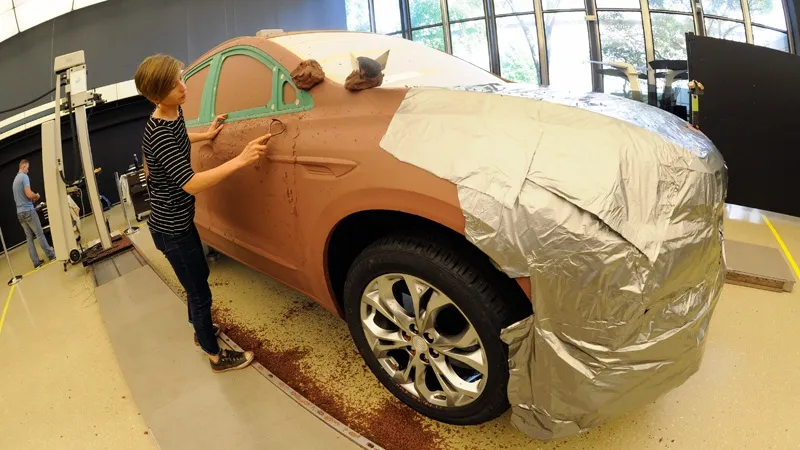 Clay model
”Frozen Model”
This is the final model approved by the company. Despite still being made of clay, it looks real. Up to 5,000 kg of clay can be used in total.
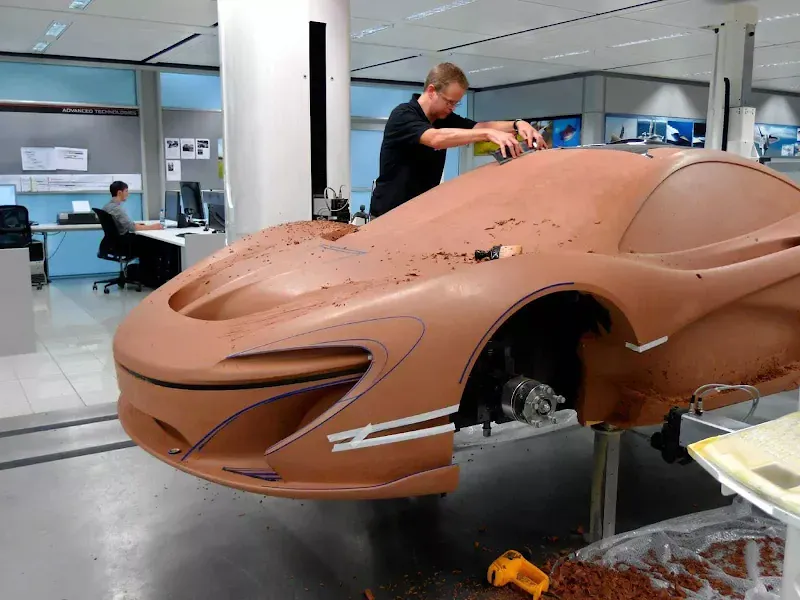 Frozen Model of automotive design
Color Creation
The Color&Trim department formulates up to 100 colors, although only 12 are approved. They draw inspiration from fashion, architecture, and product design.
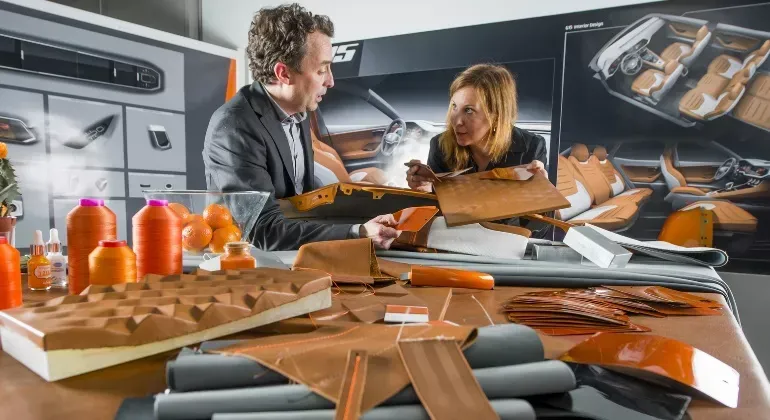 Color creation and selection
Seats
The seats must be comfortable and aesthetic. Materials and patterns are selected using specialized sewing machines on the prototype.
 Seat production
Interior Design
Driver-oriented. The central screen defines the rest of the design. Functionality is prioritized: storage space, accessibility, and ergonomics.
 Functional interior design
Conclusions
Although it may seem like a simple task, designing a car is a process that can take months or years.
The final result is much more than a vehicle: it is a collective work of design, engineering, and passion for mobility.
Source:
Ingeniería en General
https://t.me/ingenieriaengeneral